
The evolution of gambling a journey through history
Ancient Beginnings
The history of gambling stretches back thousands of years, with evidence of gambling activities appearing in ancient civilizations. Archaeological finds suggest that as early as 3000 BC, people in China used tiles to play a game of chance, which is considered one of the earliest forms of gambling. Similarly, ancient Egyptians and Greeks engaged in betting on dice games and sporting events, highlighting that the allure of chance has long captivated human interest. For those interested in exploring the gambling scene, many turn to online casino real money options that reflect the thrill of these ancient practices.
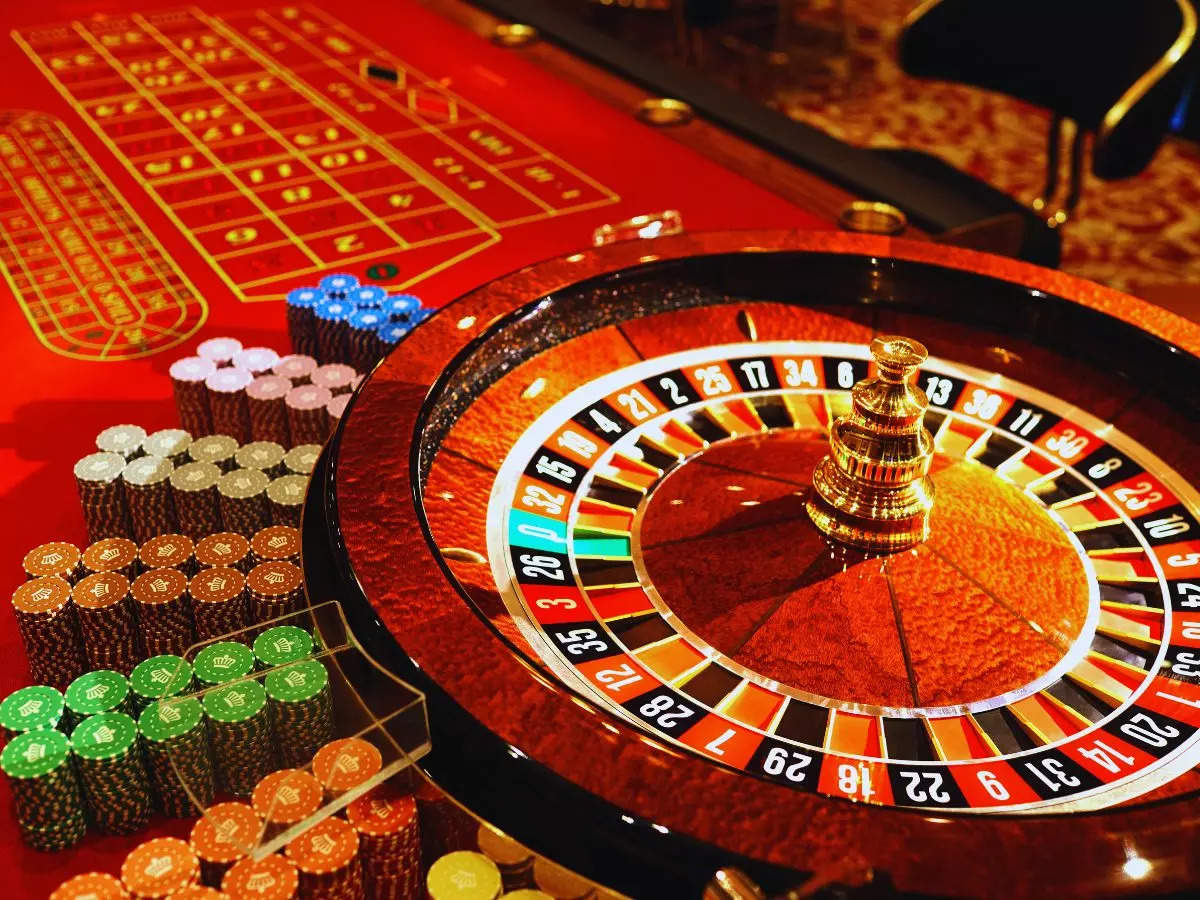
In these early societies, gambling was often tied to religious rituals and festivities. It served not only as entertainment but also as a means to seek favor from the gods. The Romans, for example, embraced gambling as part of their culture, with public games and betting becoming an integral aspect of their social life. This laid the groundwork for organized gambling as we recognize it today.
The Middle Ages and the Rise of Gambling Houses
As we moved into the Middle Ages, gambling began to evolve into more organized forms. The establishment of gambling houses in Europe during this period marked a significant shift. These venues offered a controlled environment for gamblers to play various games, from card games to dice rolls. It was during this time that the concept of casinos emerged, reflecting a blend of social interaction and the thrill of chance.
The rise of gambling houses also led to the introduction of regulations. Governments started to recognize the potential for taxation and social order, resulting in the first legal frameworks governing gambling activities. This evolution not only ensured fair play but also fostered an environment where gambling could flourish, paving the way for modern gaming establishments.
The Modern Era of Gambling
The 19th century heralded a new age for gambling, with the establishment of iconic casinos such as those in Monte Carlo and Las Vegas. These locations became synonymous with luxury, entertainment, and the glamour associated with high-stakes betting. The introduction of more sophisticated games, like blackjack and poker, captured the imagination of players worldwide, further solidifying gambling as a mainstream activity.
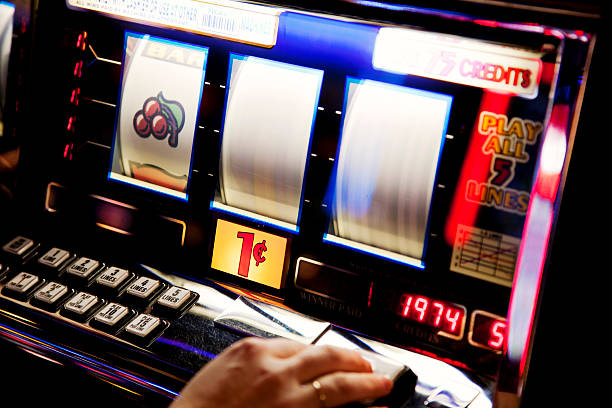
The proliferation of gambling options also expanded with the advent of technology. The introduction of slot machines revolutionized the gambling experience, making it accessible to a broader audience. As society became increasingly urbanized, the presence of gambling moved from private homes to public venues, where people could gather and share in the thrill of gaming.
The Digital Transformation
The late 20th and early 21st centuries brought about a seismic shift in gambling due to the rise of the internet. Online casinos and virtual betting platforms emerged, allowing players to engage in gambling activities from the comfort of their homes. This digital transformation has not only expanded the reach of gambling but has also introduced new forms of gaming, such as online poker and eSports betting.
Furthermore, advancements in technology have led to innovations like live dealer games, where players can experience a real casino atmosphere online. Mobile gambling has also gained popularity, enabling players to place bets anytime and anywhere. This evolution reflects changing societal norms and the increasing acceptance of gambling as a legitimate form of entertainment.
Understanding Gambling in the Modern Context
Today, gambling is a multi-billion-dollar industry, with regulations varying widely across different countries. While some places have embraced gambling as a significant source of revenue and tourism, others impose strict restrictions due to concerns about addiction and social implications. The conversation around responsible gambling has become increasingly important, emphasizing the need for players to engage with awareness and moderation.
For those seeking to delve deeper into the world of gambling, whether for education or entertainment, various resources are available online. Websites dedicated to legal and regulatory aspects of gambling can offer invaluable insights, ensuring that users understand their rights and responsibilities within this dynamic landscape.